|
|
|

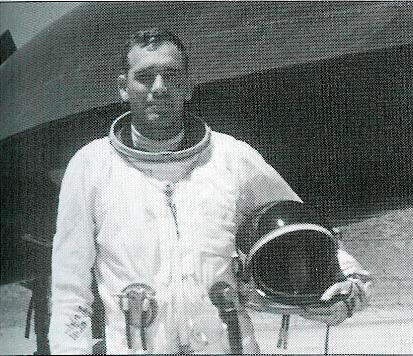
CIA Pilot Frank Murray, Call Sign: Dutch 20, and his A-12 at Groom Lake, Nevada
 |
 |
|
|
|
|
|
|
|
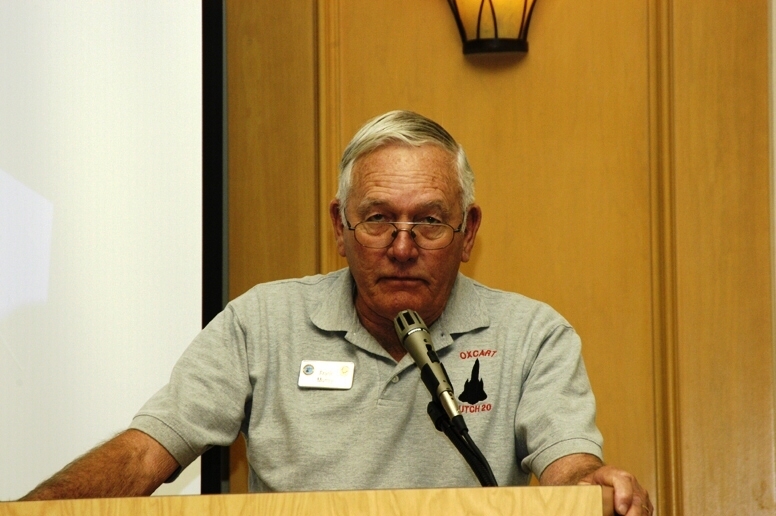
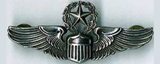
FRANK MURRAY - CALL SIGN: DUTCH 20
Awarded CIA Intelligence Star for Valor on 17 May 1968 at Area 51

Click on image to enlarge
Missions flown by Frank Murray
Click on image below to view a portion of Frank's History Channel interview in summer 2004

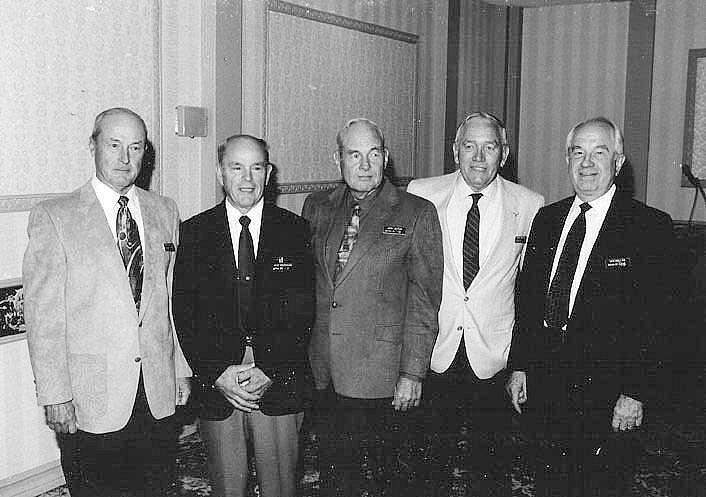
Frank Murray and his fellow CIA OXCART pilots displaying Blackbird Laurels medallions after being inducted into the Blackbird Laurels Fraternity, an elite honor society founded by the Flight Historical Foundation
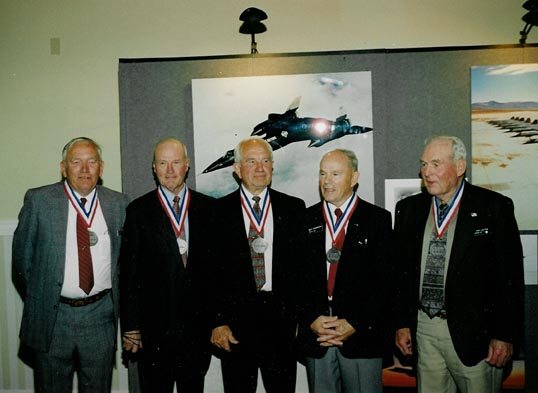
Left to Right
Frank Murray, Dennis Sullivan, Ken Collins, Mele Vojvodich, Jack Layton
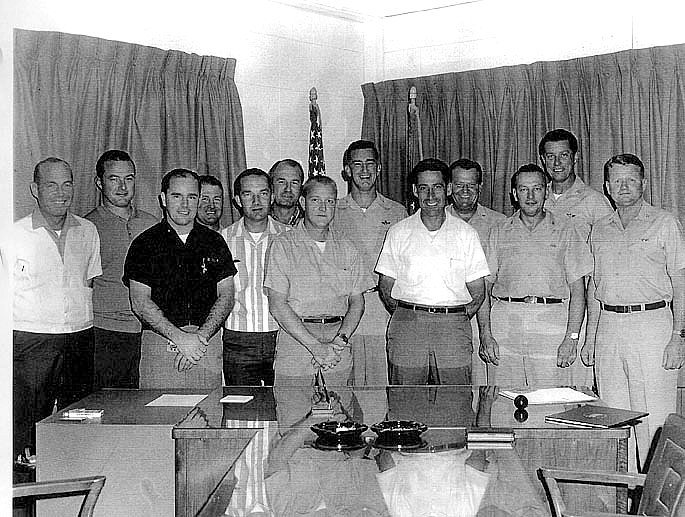
Agency Pilots and Groom Lake Brass Ronald J. Layton, Dennis Sullivan, Mele Vojvodich Jr., Burton S. Barrett, Jack Weeks, Kenneth Collins, Walter Ray, B. Gen. Jack Ledford (CIA Hq) William Skliar, Cy Perkins, Robert Holbury, John Kelly, Hugh (Slip) Slater

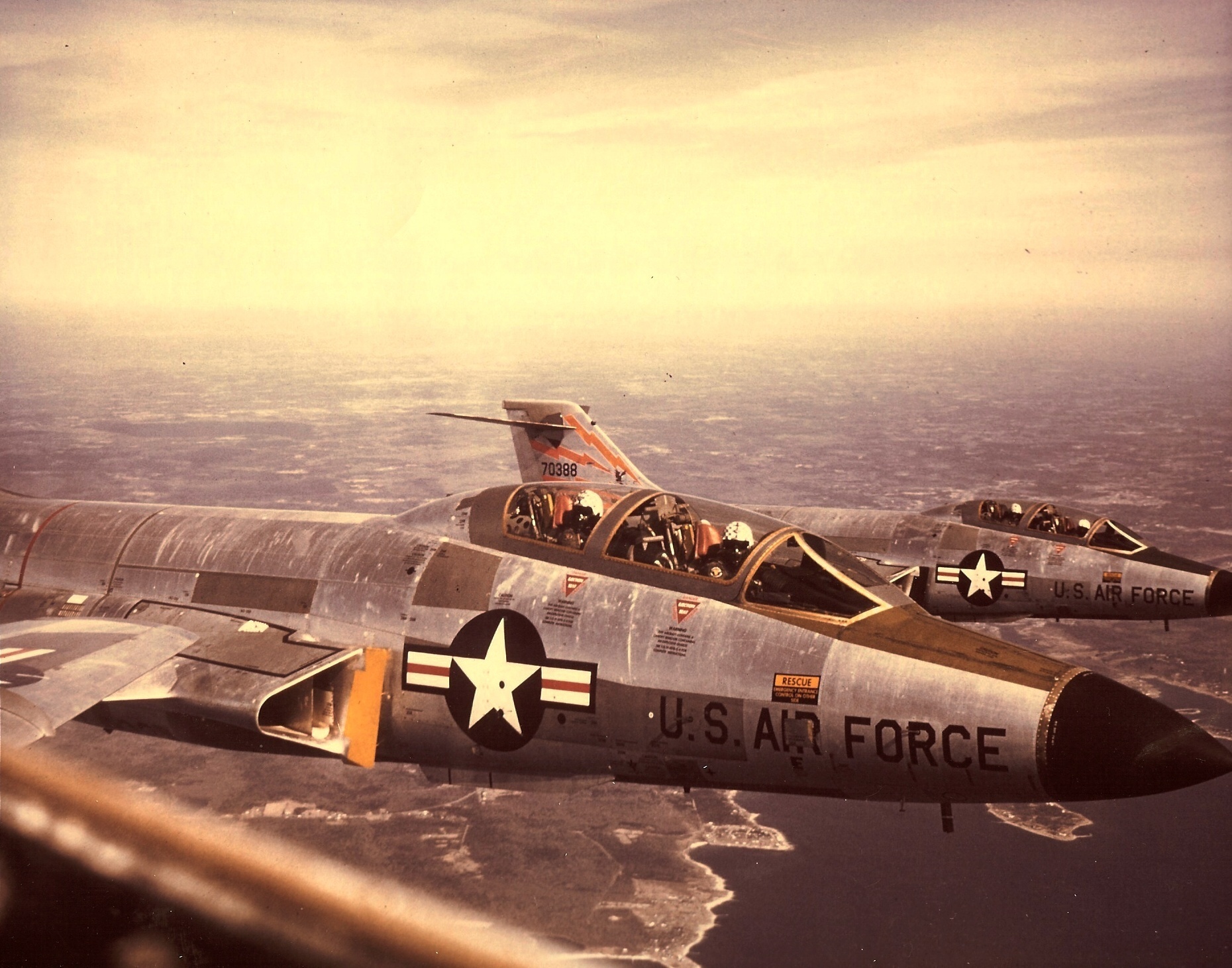
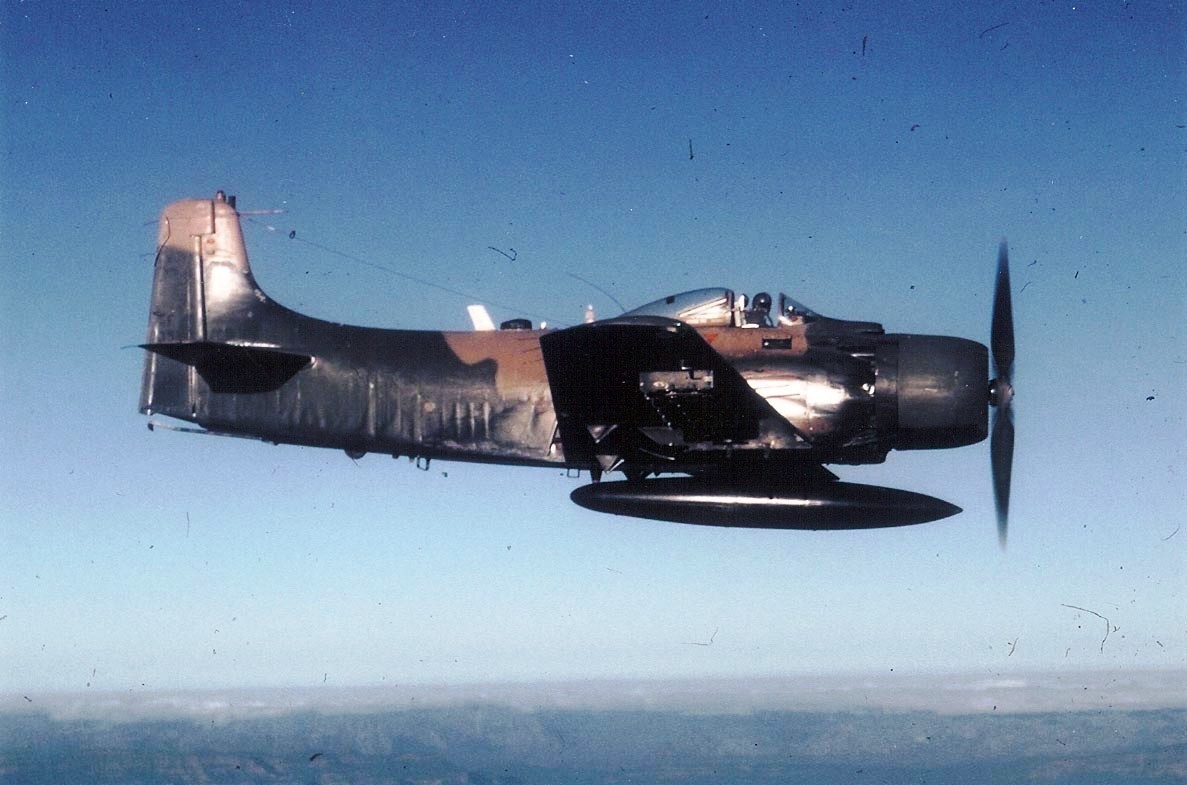
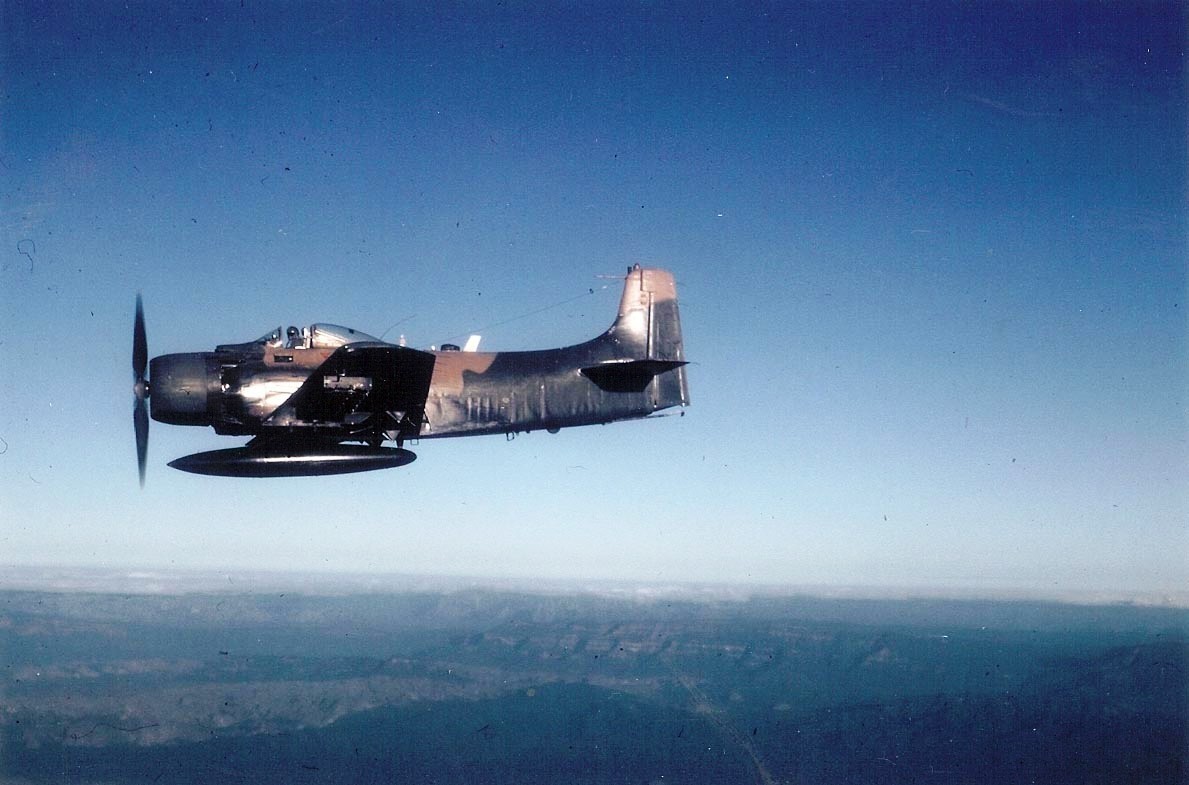
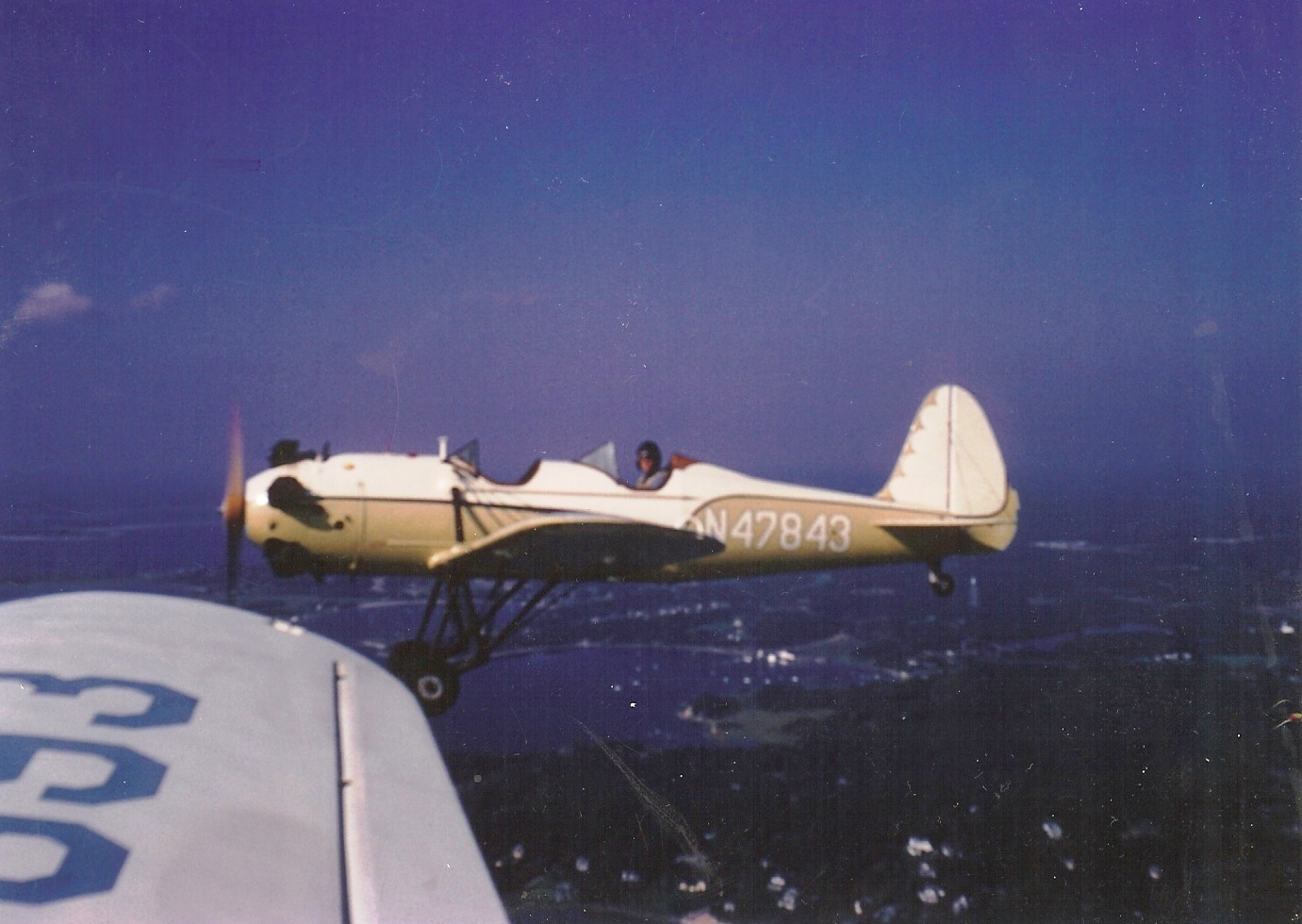
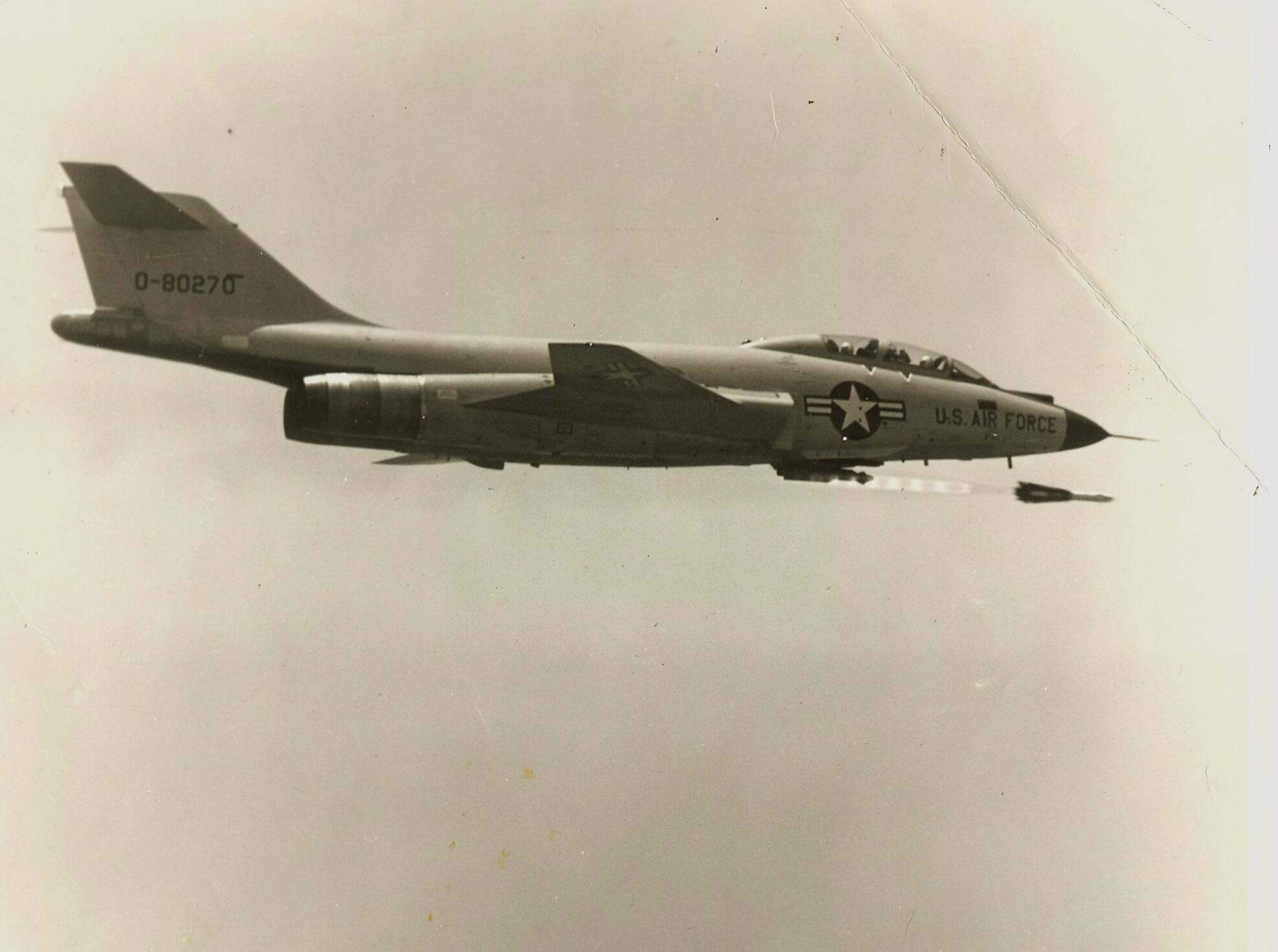
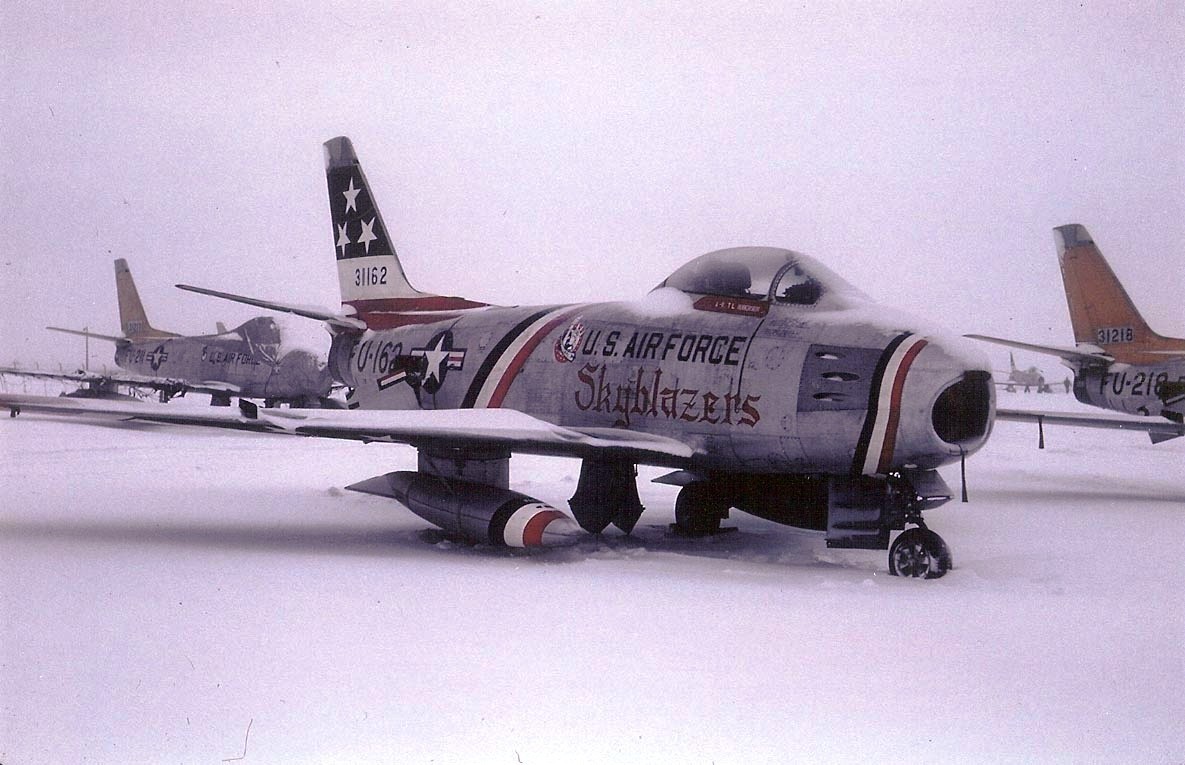
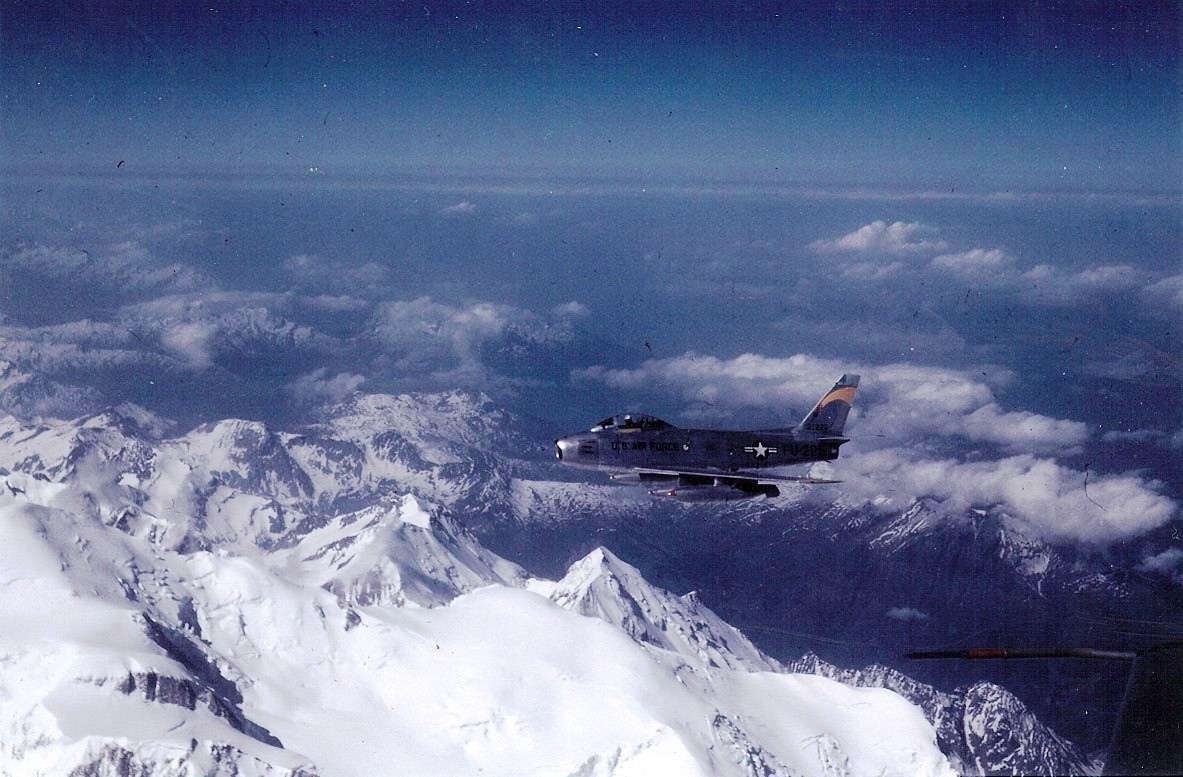
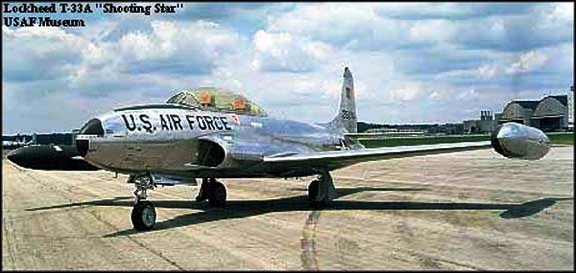
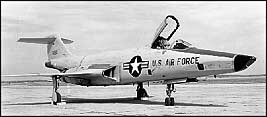
Frank Murray was born 21 September 1930, an Army brat of William and Agnes Murray. Raised in San Diego, California, Frank graduated from St. Augustine High School class of 1948. In August 1948, he enlisted in the USAF, the military branch in which his two older brothers were serving. Advanced to the rank of corporal after attending A&E Mechanics School, Murray was later promoted to sergeant and subsequently accepted in the Aviation Cadet Flying Training Program. In April 1952, he commenced training at Columbus AFB, Mississippi and Laredo AFB, Texas. Graduating with Class 53-C, Murray was commissioned a second lieutenant and transferred to Laughlin AFB and Luke AFB for Gunnery School in the T-33 and F-84B. Murray's first fighter plane assignment was the F-84G and F-86-F at Chaumont, France. Assigned to Bergstrom AFB, Texas, Murray flew the F-84F and F-101A/C. From there, Murray was assigned to Otis AFB, Mass to fly the F-94C and F-101B. In 1963, Murray was 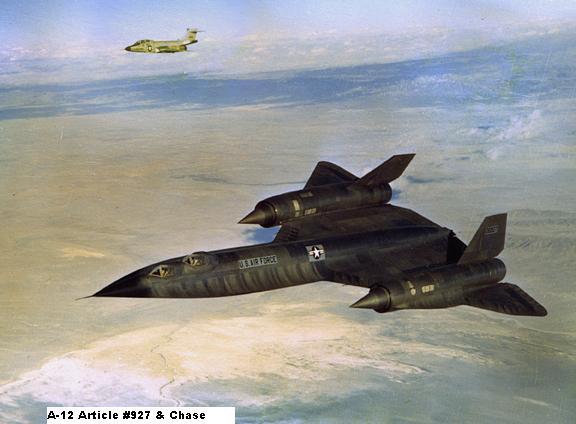 selected for the 1129th Special Activity Squadron at Groom Lake where he flew the F-101, T-33, and Cessna 180/210. At Groom Lake, Murray was later selected by the CIA to be a Project Pilot flying the A-12. Resigning his USAF commission to take this new assignment, Murray stayed with the OXCART Project until it shutdown in 1968. Rejoining the USAF, Murray was assigned to Tyndall AFB, Florida where he flew the F-101 and T-33 until his volunteering for training in the A-1 Skyraider at the 56th Special Operations Wing, 1st Special Operations Squadron (Hobos) at Nakhon Phanom RTAFB, Thailand. Murray flew 67 combat missions in the A-1 before being reassigned to Tyndall, AFB to continue flying the F-101. During his flying career, Murray accumulated 6,000 hours of flying military aircraft and another 1,000 hours flying civilian planes.
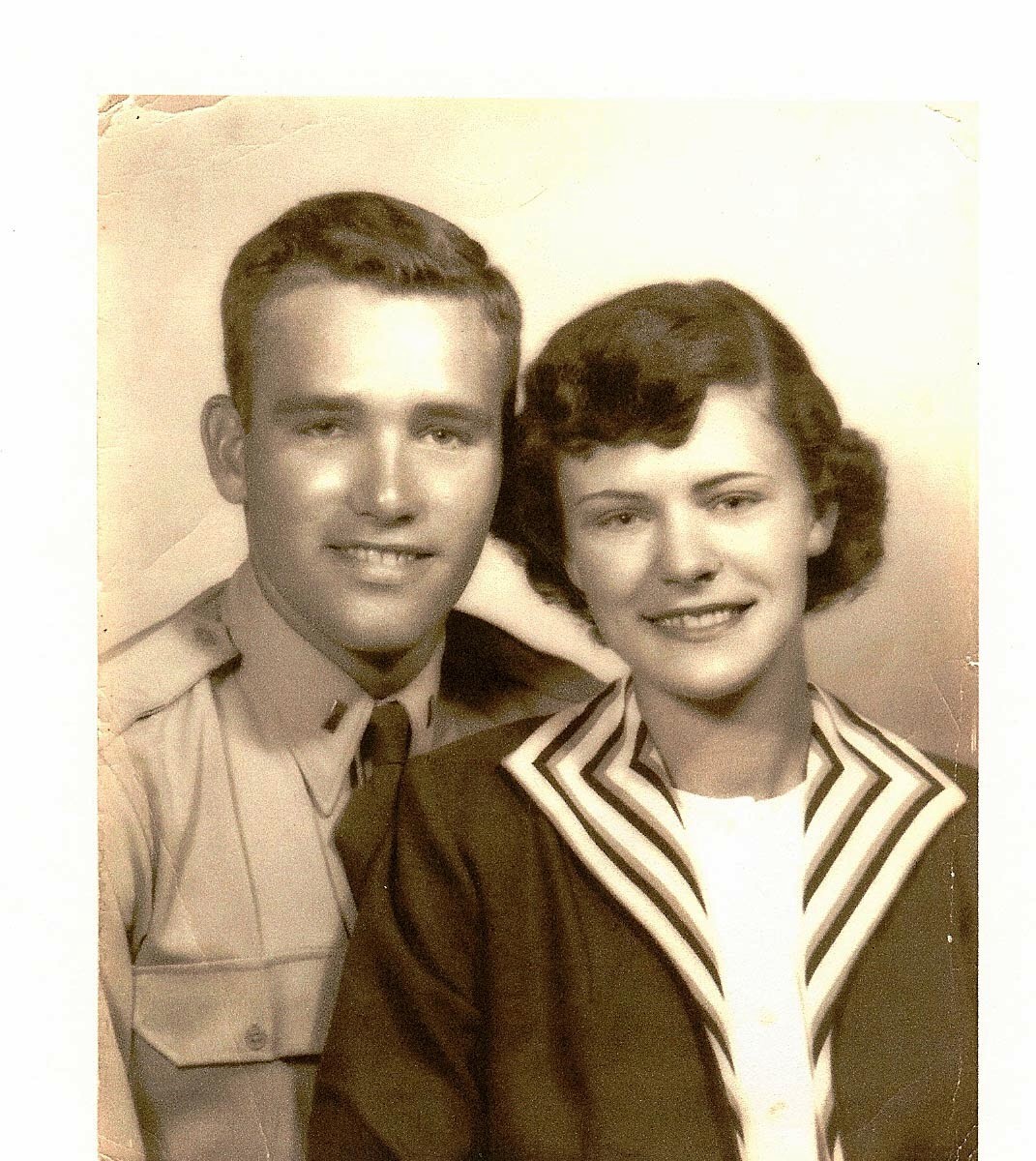
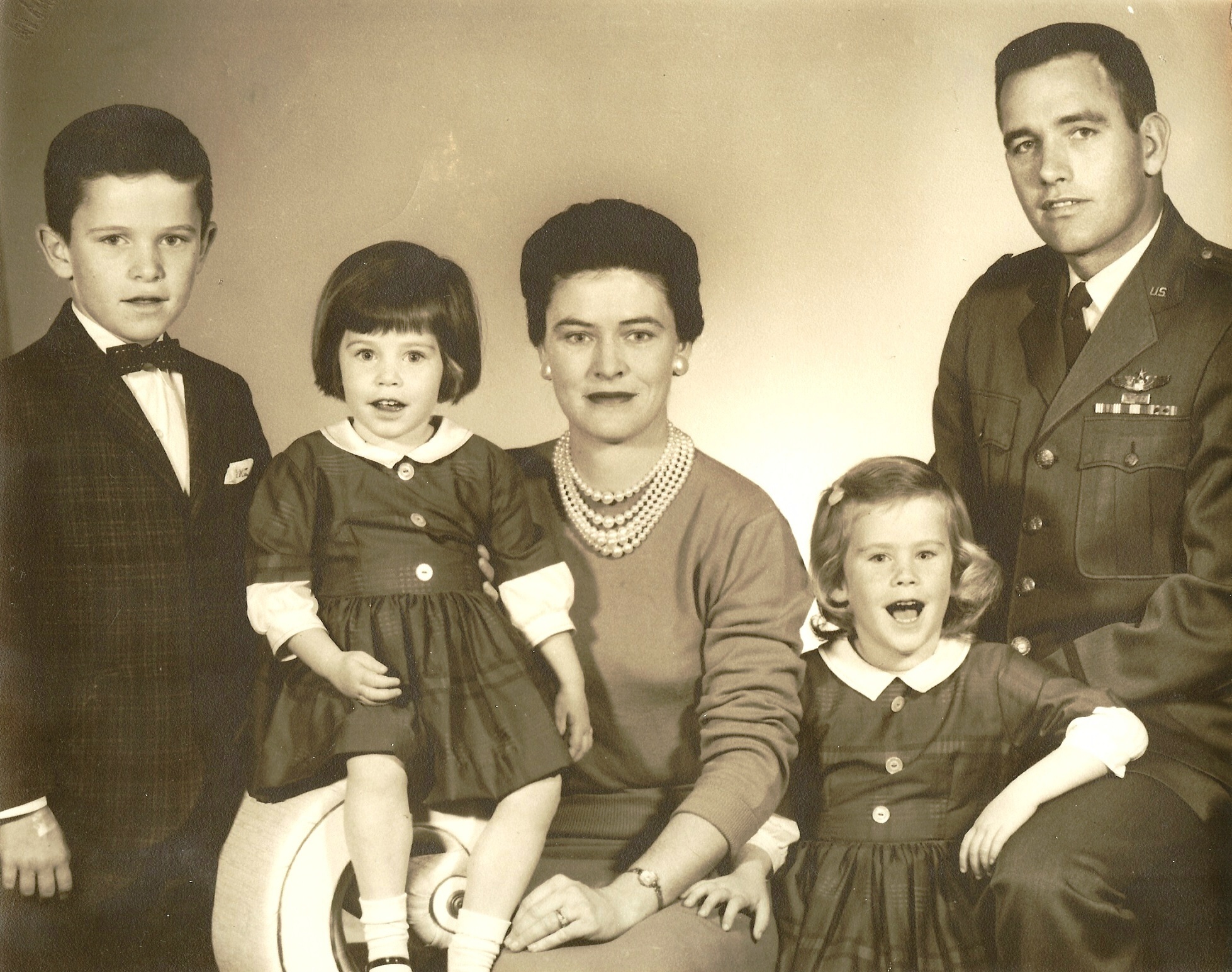
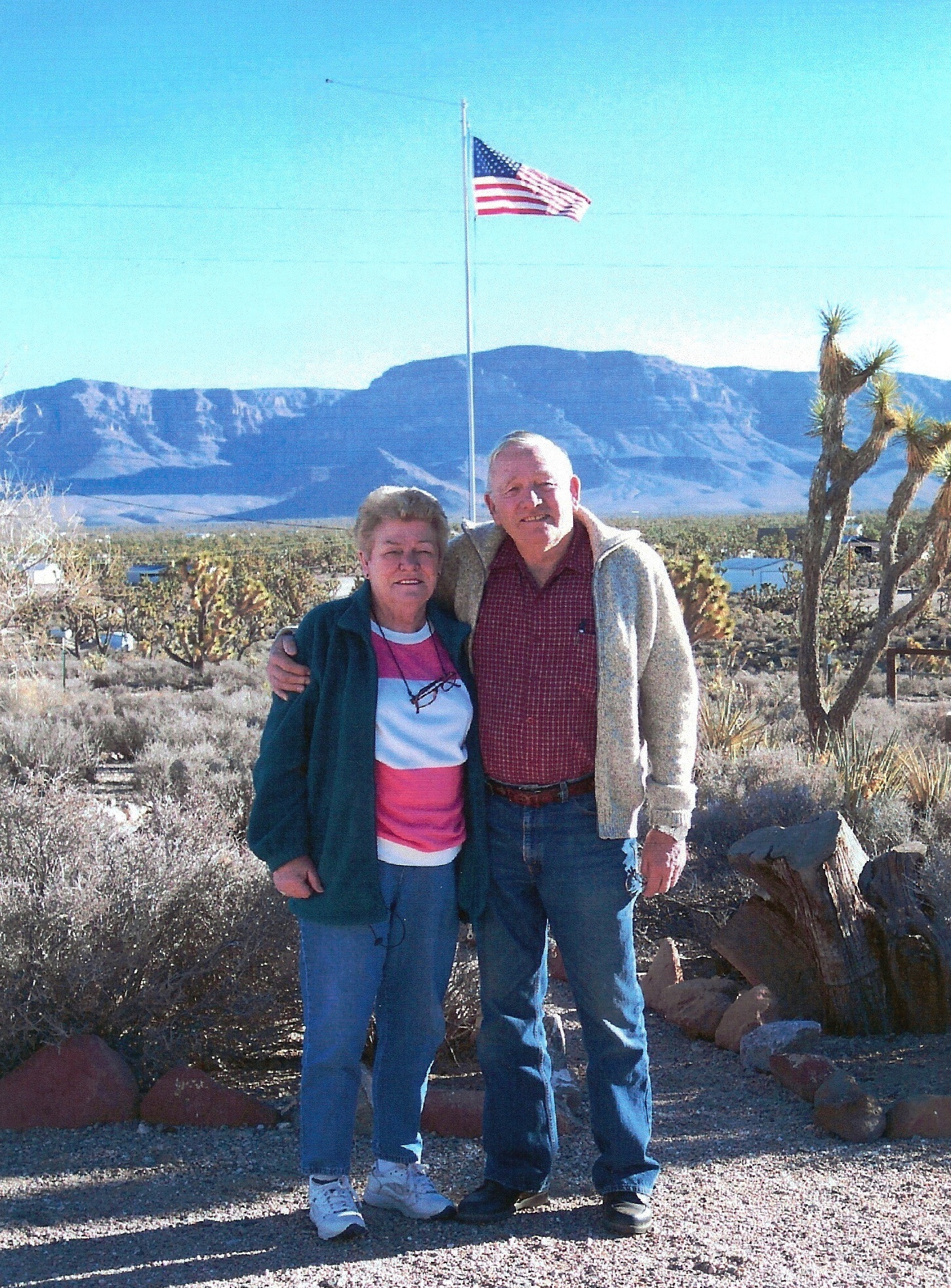
Murray retired from the USAF a Lt. Col. with 29 years combined service in the U.S. Air Force and CIA. Murray is retired in Gardnerville, Nevada with Stella Jane, his spouse and companion for the last 50 years as of 18 October 2003. Frank and Stella are blessed with three children: Joe, Diane, and Janice.
CIA A-12 PILOTS RECEIVING CIA AWARDS AT THE CONCLUSION OF PROJECT OXCART
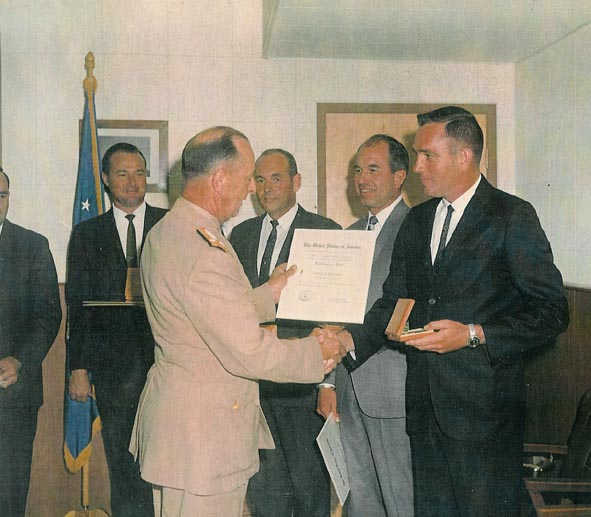
On 26 June 1968, the CIA Intelligence Star for Valor was awarded to CIA Oxcart and Black Shield mission Pilots (L to R): Mel Vojvodich, Dennis Sullivan, Jack Layton, Ken Collins, and Frank Murray by Deputy Director of the CIA VAdm Rufus Taylor. The posthumous award to Jack Weeks was accepted by his widow.

Groom Lake - June 1968
VAdm Rufus Taylor, Stella Murray, and Frank Murray after presentation of the
CIA Intelligence Star for Valor award.
 |
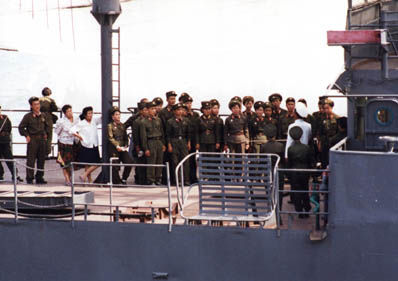 |
The USS PUEBLO was a U. S. Navy vessel sent on an intelligence mission off the coast of North Korea. On January 23, 1968, the USS PUEBLO was attacked by North Korean naval vessels and MiG jets. One man was killed and several were wounded. The Eighty-two surviving crew members were captured and held prisoner for 11 months.
****THE PUEBLO INCIDENT A-12 MISSION****
By Former Agency Pilot: Frank Murray, Lt. Col. USAF, Retired
Background:
The USS Pueblo, a U.S. Navy reconnaissance vessel, came under attack and was ultimately captured while performing its mission of electronic intelligence gathering off the East coast of North Korea on January 23, 1968.
In response to this capture, the A-12 Detachment at Kadena AB, Okinawa was alerted for an overflight mission to North Korea to be flown on 26 January. Jack Weeks and I were the Mission pilots on station at the Detachment. The first flight was flown by Jack Weeks. Weeks encountered engine problems on the last leg of the mission and returned to Kadena in an abort condition. Until declassification by the CIA in 2007, it was believed that Weeks had aborted his mission, thus crediting me with flying the mission that located the USS Pueblo. The 2007 declassification by the CIA revealed that the mission I flew two weeks after Week's flight was still classified and would probably remain so for many years to come.
I believe the CIA would have pursued previous overflights if allowed by higher authority. Previous to this action, U.S. State Department restriction had prevented flying the A-12 over North Korea. The Pueblo Incident, however, spurred action by the White House and the restriction was lifted for at least this Priority Mission. For reasons unknown by me, the Pueblo Mission Recon was not using the spare or backup aircraft and pilot normally used during missions to Southeast Asia. Regardless the reason, the second attempt was set up with clearance to do several passes to not only locate the Pueblo, but to also use the A-12's systems to visibly assess overall responses to the increased tension of the moment. It was unknown until the 2007 release of information that the Pueblo had been moved when I made my photographic pass over Wonson Harbor in North Korea.
The Detachment was ready and certainly willing to get this mission. The following is my recollection of the details of what went on to get the mission underway and the way the mission was flown.
***Blackshield Mission BX6853***
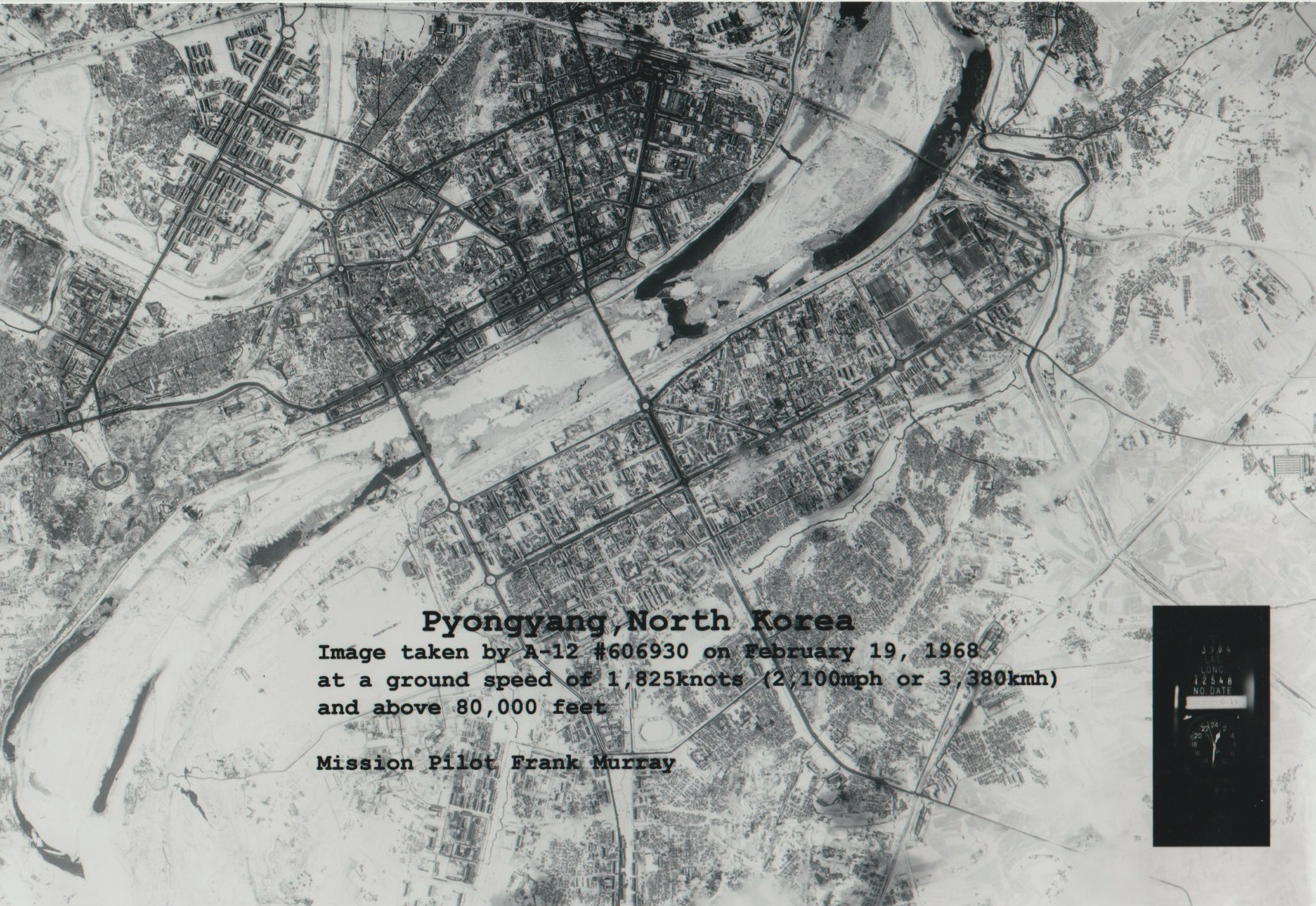
The second mission to overfly North Korea in response to the capture of USS Pueblo was made at the urgent request of NRO by Secretary of State Rusk for launch on February 19, 1968. As was usual for any A-12 mission, the alert for the mission came down from CIA headquarters 24 hours or more in advance of the launch. With the failure of the first attempt to obtain sufficient coverage of any covert military movement, little was changed in the profile or tactics. Everything was ready since the entire Detachment was already on alert for the expected mission.
The basic approach was to use a single top-off tanker to refuel the A-12 North of Kadena with flight paths designed to avoid overflying any part of China or Japan. During my mission briefing, I was advised of numerous SAM sites in the country and the probable response if the A-12 was detected. Unknown to me at the time, Jack's flight had been tracked by the Chinese who alerted North Korea of same.
The first of three passes started with entry of denied territory about the center of the West coast of North Korea with a flight path basically to the East - Northeast. This pass ended when the A-12 flew over the Harbor at Wonsan, where the Pueblo was estimated to be located. "Camera-on" was initiated just before my crossing the coast inbound and was deactivated as the A-12 departed the outbound coastline. The second pass was made after a turnaround over the Sea of Japan and as I commenced another run south of the first pass track. The third and final pass was again on a Northeast, north of the first pass. Cameras on and off sequences were prompted by the data on the filmstrip and by pilot judgment using the viewscope images.
From a pilot's standpoint, this mission was very "busy" since there were multiple passes done in close quarters with many turns after relatively short camera runs. The pictorial from the mission plan (attachment #1) illustrates the flight spent about seventeen minutes over "denied territory." Bear in mind that most Southeast Asia missions had one camera run on a single heading, followed by another pass later after refueling on another single heading/pass.
The Pueblo mission called for repeated passes after rather quick turnarounds. The onboard Electronic Warfare System (Jammers) never indicated North Korean detection or reaction to the Overflights. I was told later that the Chinese had warned the North Koreans that they were being overflown.
The overflight tactics called for flight above 80,000 feet and cruise Mach number in excess of 3.1 (2,100 MPH). All three passes were flown at or above these numbers. The A-12 flew this sortie flawlessly. It was a fine mission, demonstrating the agility of the A-12 and the high quality imagery available from the cameras and on-board recorders.
The recovery into Kadena was without incident. Though most never knew where the A-12 flew, I think the whole Detachment knew that we had done a good job. With the second mission still being highly classified, we may never know the results of this flight.
A final overflight of North Korea was flown on May 1968 by Jack Layton. This was also the final operational mission for the Detachment.
The A-12 I flew on the Pueblo mission was Article #127. Of the three A-12s flown by the Detachment, Articles 127, 129, 131, Article 131 with Mele Vojvodich in command holds the record as being the first to fly an overflight. Article 127, flown by Denny Sullivan, made the fastest flight home after the Detachment folded in June 1968. Sadly, we lost Jack Weeks in Article 129 while on a Functional Test Flight just before the Detachment closed down in June 1968. Poor old Article 131 limped home with two guys trying to row the boat. Ken Collins and me, the author of these few pages, Frank Murray. I flew the final leg from Hicham to Area 51 and the final hop to the Bone Yard in Palmdale. The last A-12 to fly was Article 131. It now rests in a museum setting in Birmingham, Alabama.
****FINUS****
Maybe, just maybe, the other OXCART Mission Pilots will share a story about what happened to them along the way. I can think of several notable incidents, but I can't author them for my fellow Roadrunners.
DUTCH 20
Aka Frank Murray
BLACKSHIELD MISSION ATTACHMENTS DEPICTING THE THREE BLACKSHIELD MISSIONS
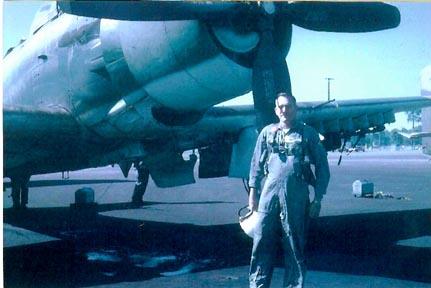
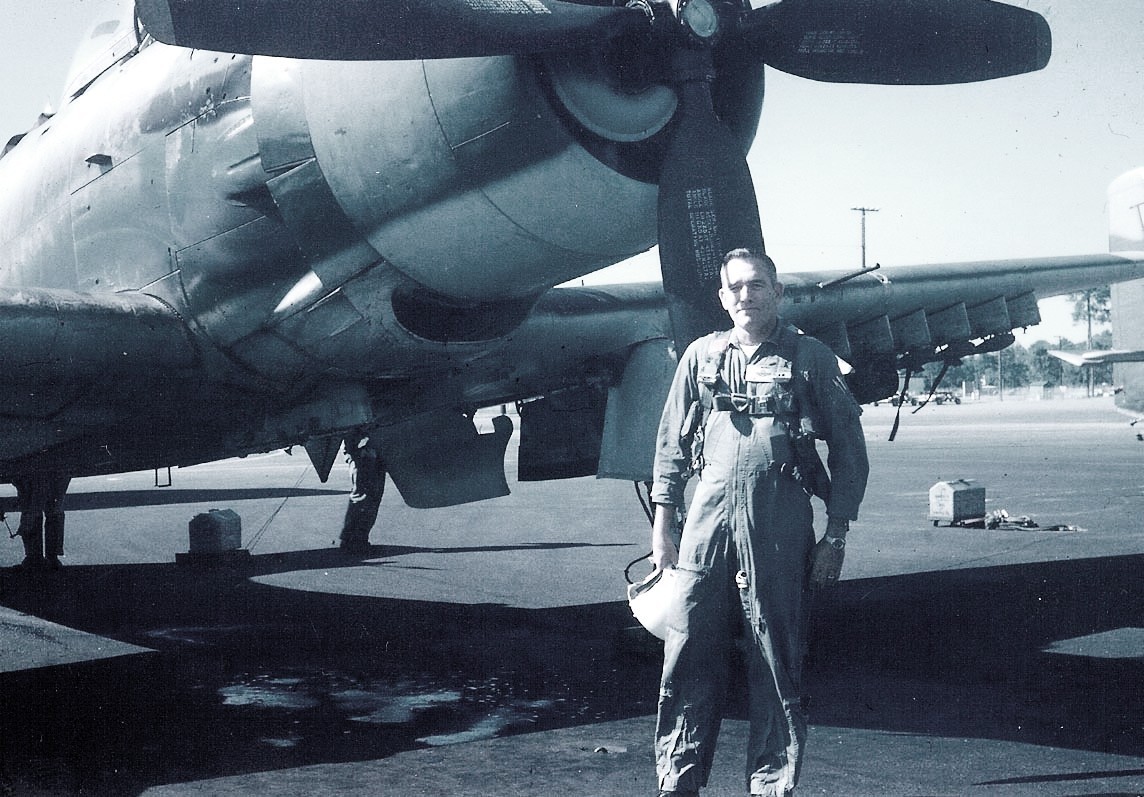
1970 Frank in training on A-1’s at Huelburt Field. Flew the fastest & the slowest in SEA.
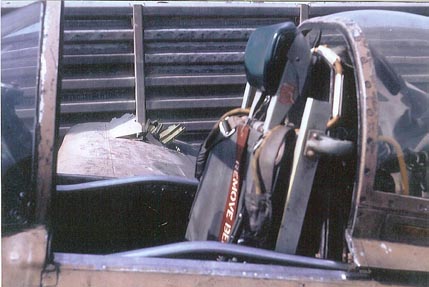
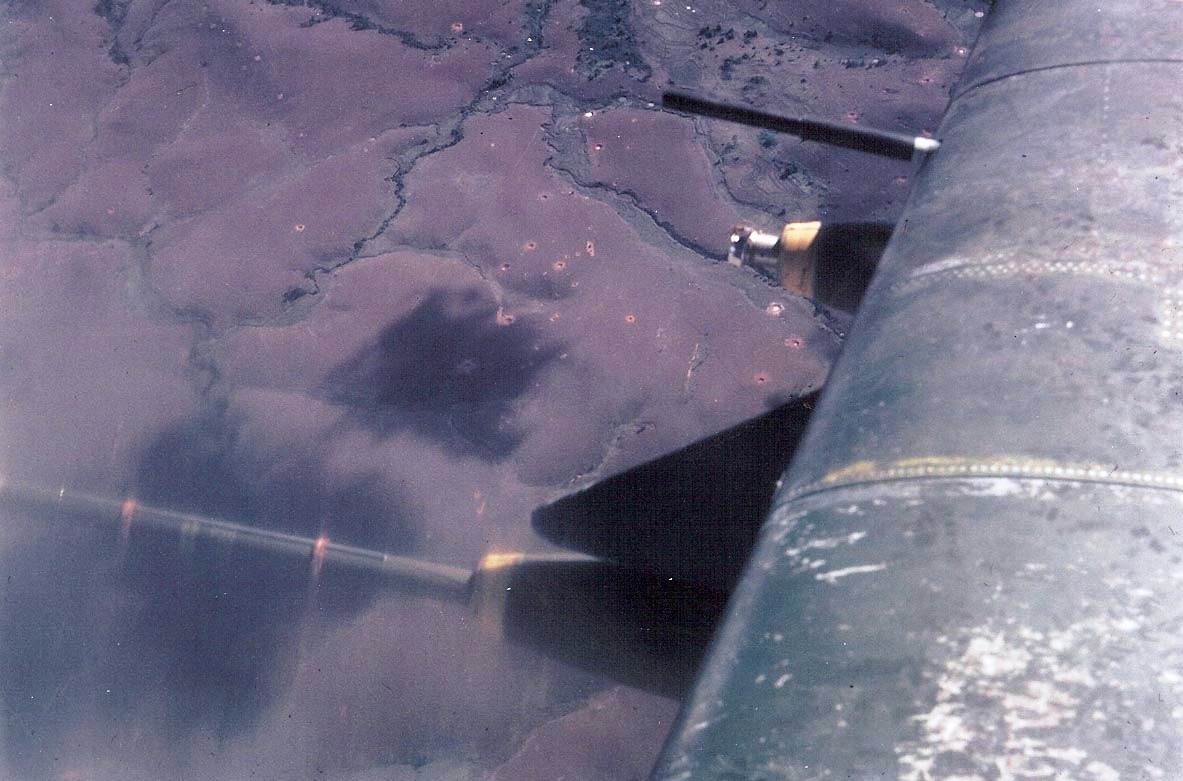
Frank took a hit in the outer wing panel, most likely 37MM AAA. A-1 flew ok despite dinged wing.
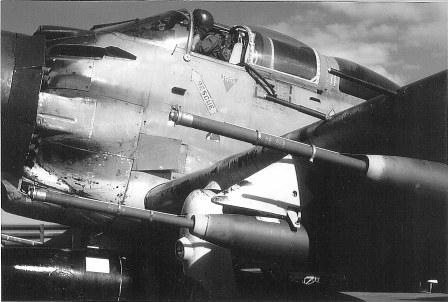
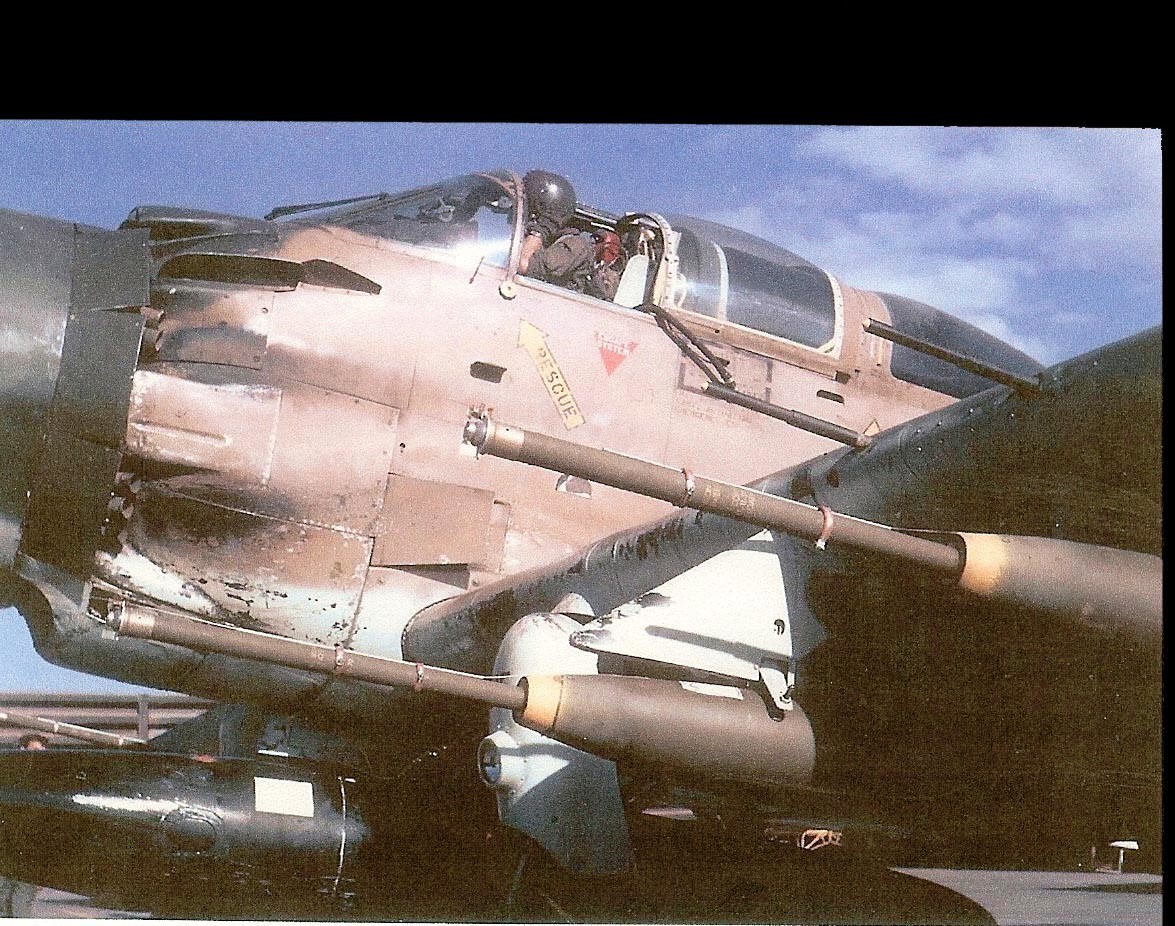
Frank in A-1E at NKP 1971. He’s off to raise hell with pathet Lao troops in PDJ in North Laos. Armed with MK 82, 500# with daisy cutter fuse extenders & four 30 MM cannons.
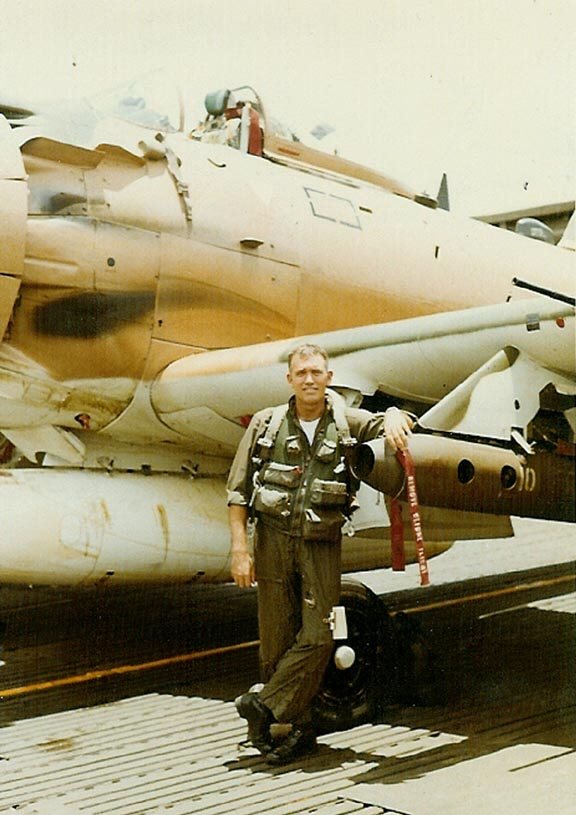
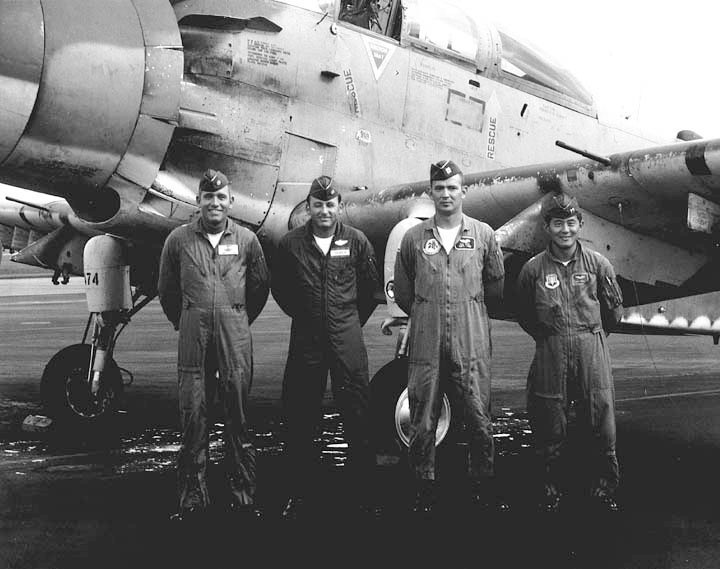
Lt. Col. Frank Murray posing in front of his A-1 Skyraider at NKP in 1971
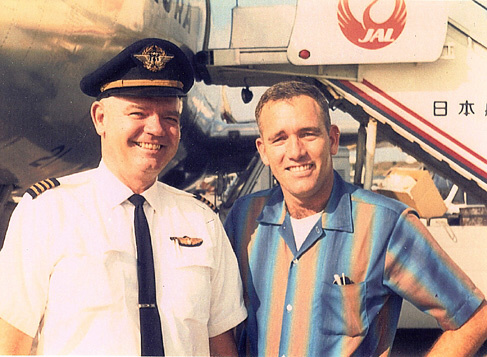
This photo is of me and my brother Bill, taken at Naha Airport circa 1967-1968. Ken Collins took the picture one day when Bill stopped over at Naha. Bill was a Captain for Japan Air Lines. Ken and I were the Operation Blackshield duty pilots at Kadena at the time. Bill gave us a tour of his airplane, a Convair 880 four engine transport. I didn't get to give him a tour of the A-12. He had no idea that I was flying A-12's for the CIA.
My Brother Bill was my mentor in Aviation. He got me started flying when I was sixteen, starting out in a 65 HP Aeronca Champion. Bill was a celebrated US Army Air Corps pilot during WWII, mainly in the Pacific theater flying B-25's with the Air Apaches of the 475th Bomb Group.
Bill got started with Japan Air Lines in the late 50's when Japan was starting up their National Air Lines. Japan had no trained Air Line pilots so a cadre of Americans, Aussie and others formed the pilot pool, flew the lines, and instructed the Japanese in the early days. Bill retired a Chief Pilot and went on to his following career in Law. He was appointed Municipal Judge and State Senator for the Missoula, Montana district. Bill passed away a couple years ago at age 83. My memories of him and what he instilled in me as an aviator will last all my life. Frank Murray, aka Dutch 20.
November 2011 enshrinement into the Nevada Aerospace Hall of Fame
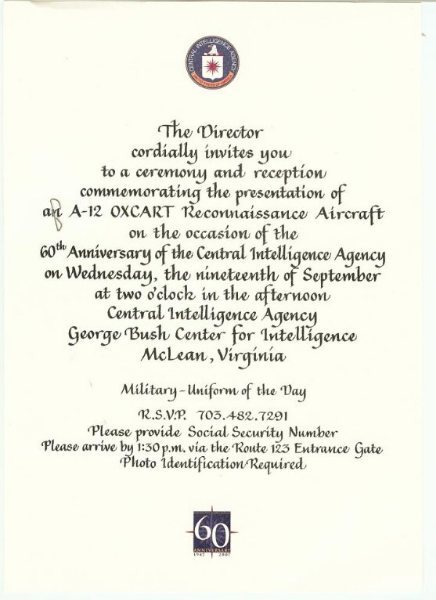
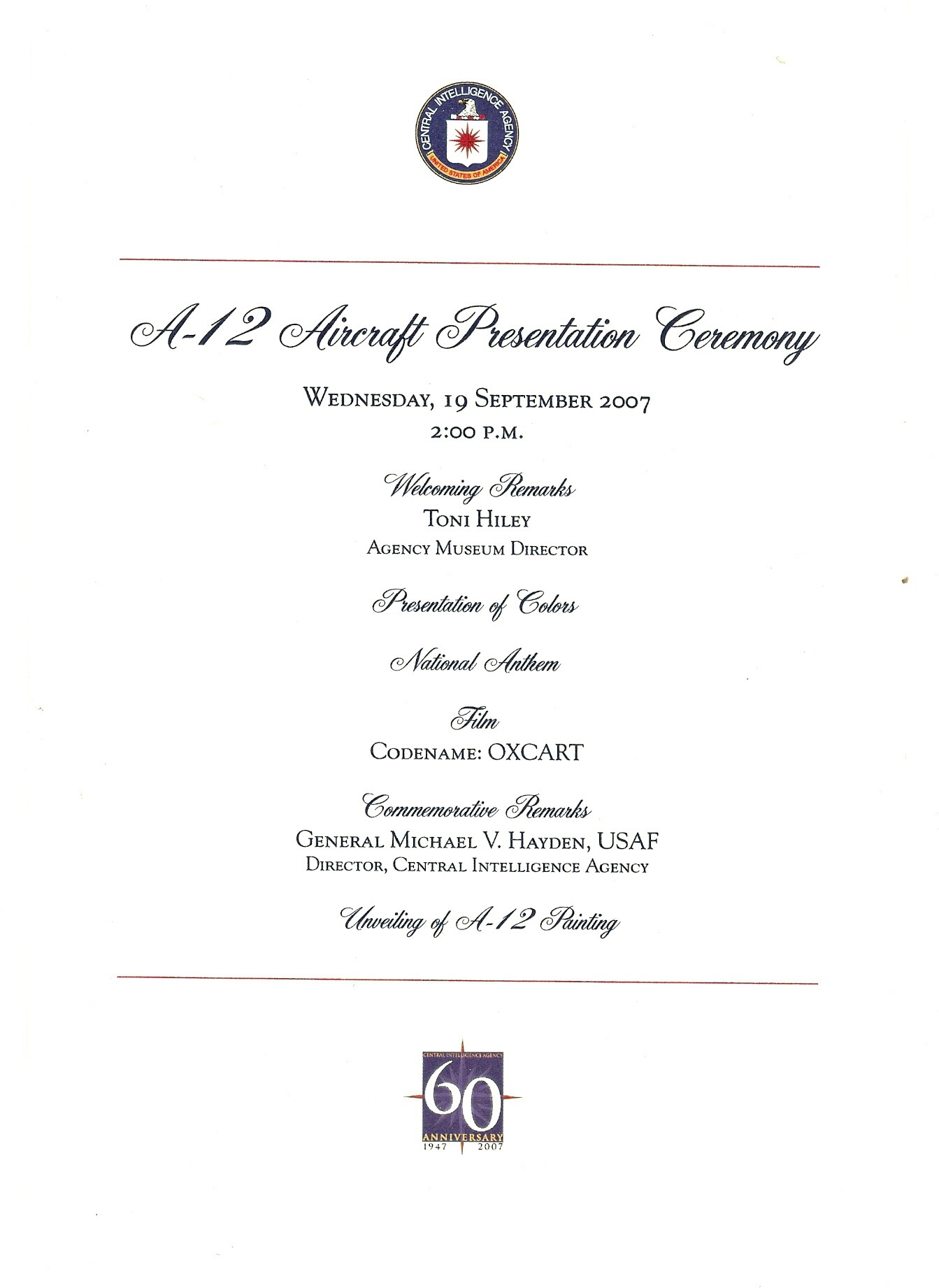
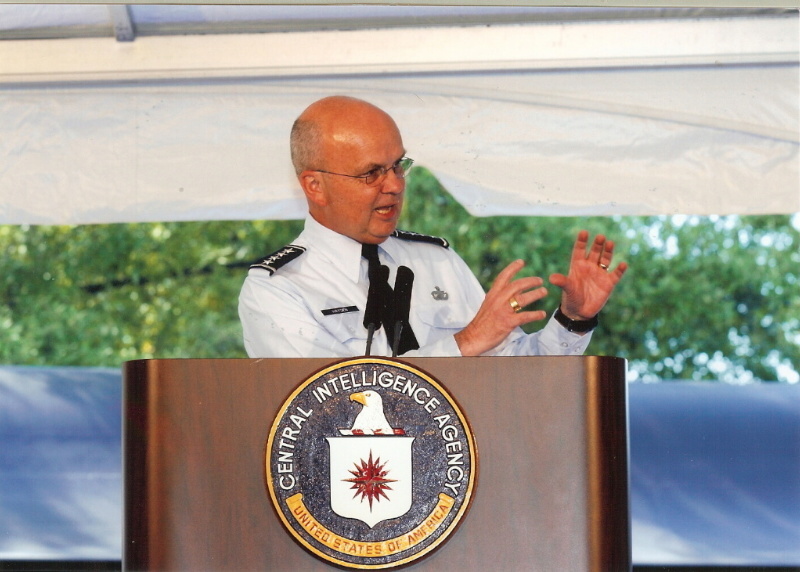
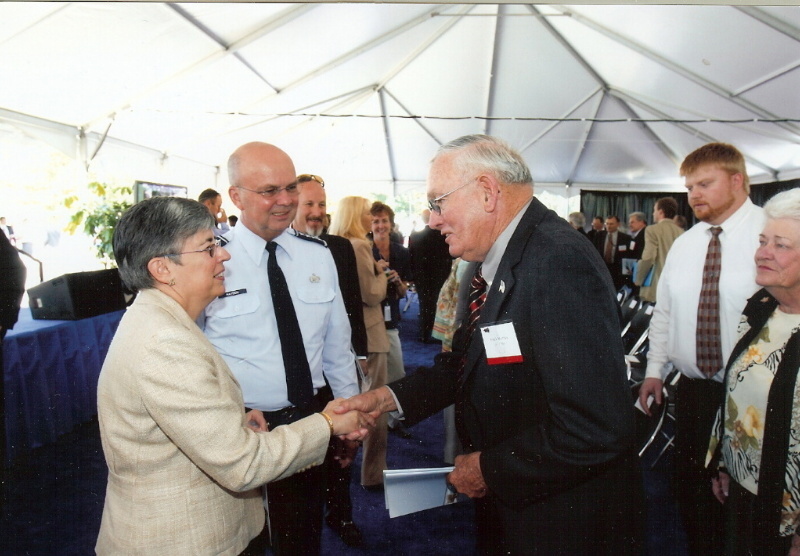
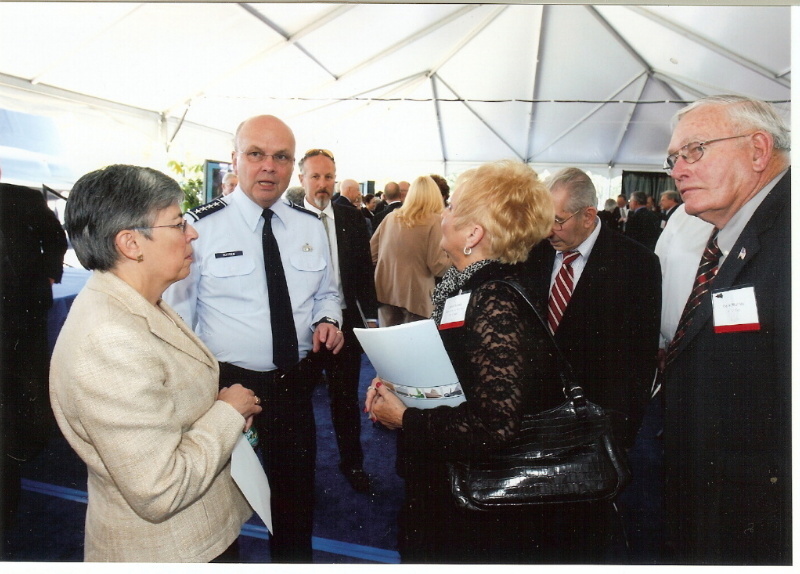
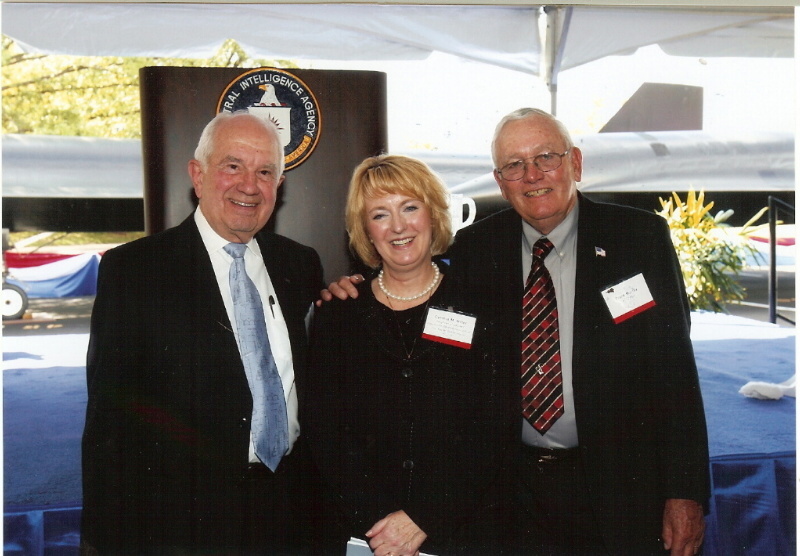
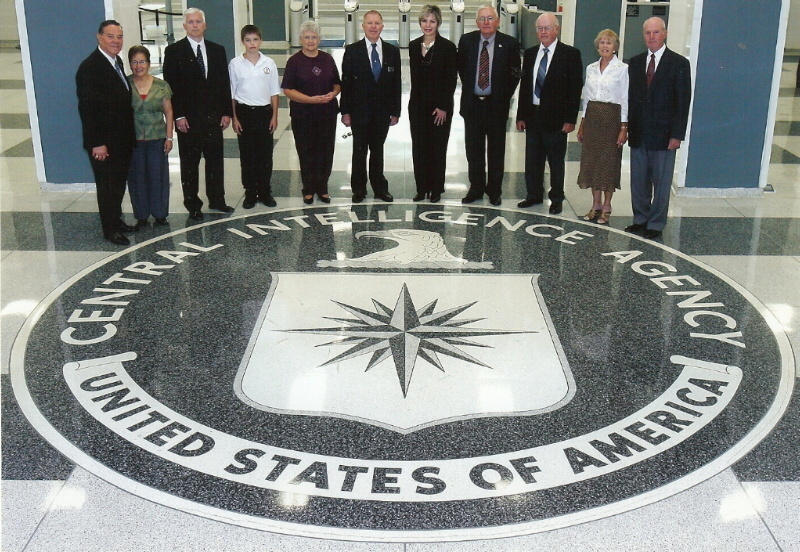
CIA 60TH ANNIVERSARY - 19 September 2007
Roadrunner & CIA A-12 OXCART Pilot Frank Murray Honoree at the A-12 Article 128 Dedication
 |
 |
 |
 |
 |
 |
 |
 |
 |
 |
 |
|
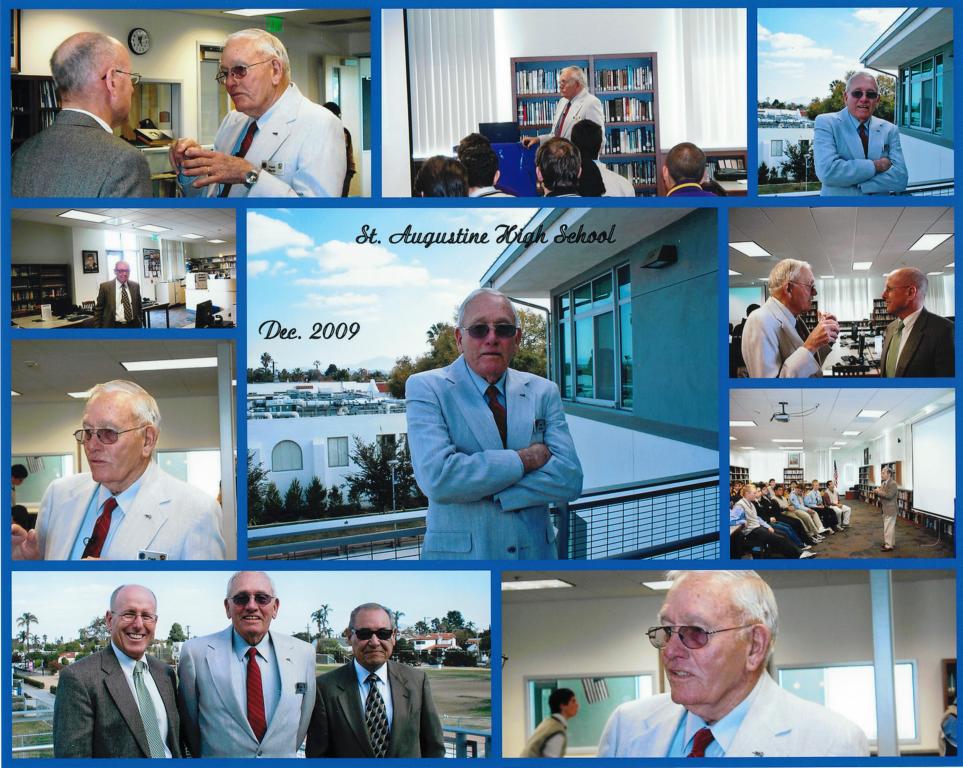
2 December 2009 - CIA A-12 Project OXCART pilot Frank Murray welcomed back to his high school  in San Diego where he addressed the Saints Scholars with a Power Point presentation of the OXCART Story. Murray described the occasion as a honor and treat to address students at his school where he graduated sixty years ago in the class of 48. The Scholars are the top grade point average students of the Senior/Junior classes at St Austustine. This was the youngest group Murray has addressed with his presentation normally given to AF ROTC cadets, Daedalians, Lions Club, etc. Murray was treated to a luncheon following the presentation. In the photo below are: top left Murray, Ed Hearn, the Saints' President/Principal. Bottom left are Ed Hearn, Frank Murray, and former class mate Fred Rios. The rest of the photos were taken during the presentation or on the school grounds.
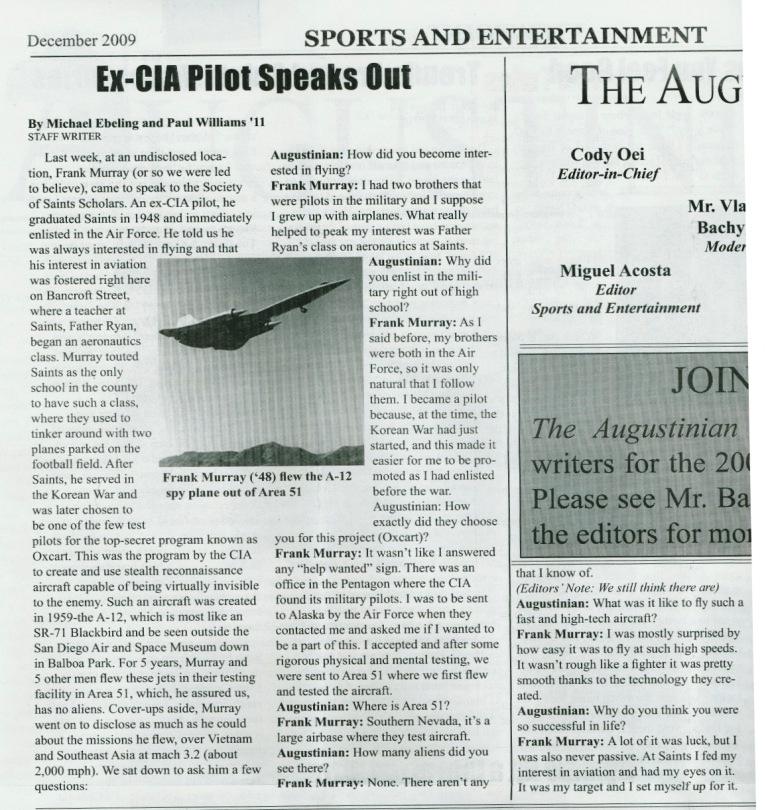
The Gathering of Eagles program is an annual aviation event that traces its origin back to 1980, when retired Brigadier General Paul Tibbets was invited to visit the Air Command and Staff College (ACSC), Maxwell AFB, Alabama to share some of his experiences with the students. This visit became the genesis for the Gathering of Eagles program.
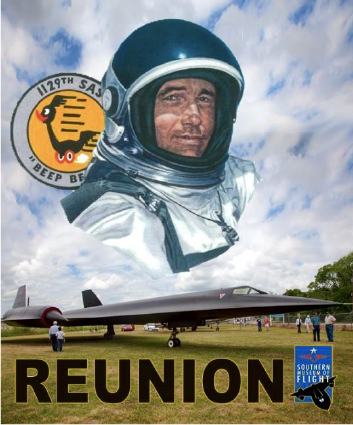 Frank Murray was one of only six pilots to fly the A-12 for the Central Intelligence Agency's (CIA) legendary Oxcart program. Frank Murray was born into an Army family on 21 September 1930, the son of a professional Army soldier and an Army nurse, William and Agnes Murray. Frank grew up in San Diego, California and graduated from St. Augustine High School in 1948. He was taught to fly by his older brother Bill at the age of 15. He followed in both his brothers' footsteps by enlisting in the US Air Force in August 1948. Frank's career in aviation began when he was selected for and attended Airplane and Engine Mechanics School at Keesler AFB, Mississippi, where he graduated and stayed on as an instructor. Frank rose through the ranks over the course of four years until he made Sergeant. He was then accepted into the AF Aviation Cadet Flying Training Program. Frank's love for flying was solidified in training at Columbus AFB, Mississippi, and Laredo AFB, Texas, in 1952. Murray was commissioned a second lieutenant and soon transferred to Laughlin AFB, then to Luke AFB, for Gunnery School in the T-33 and F-84B. His first operational fighter assignment was to Chaumont, France, where he flew the F-84G and F-86F. Murray was then reassigned to Bergstrom AFB, Texas, where he again flew the F-84F and received his first experience with supersonic speeds in the F-101A/C. From there, Murray was assigned to Otis AFB, Massachusetts, to fly the F-94C and F-101B. His final assignment prior to becoming an A-12 pilot was a three-year tour as an A-12 safety chase pilot in direct support of Project Oxcart in the 1129th Special Activities Squadron at Area 51, Nevada. Lt Col Murray's transition to the CIA, the A-12, and Project Oxcart came just as he was promoted to the rank of major. He chose to resign his commission to take the job. Lt Col Murray flew four operational missions, most notably the second North Korea mission on 19 February, 1968. The Oxcart program was officially shut down in June of 1968 and Murray returned to regular Air Force life. Murray's career picked up where it left off and he was assigned to the 475th Test Squadron at Tyndall AFB flying the F-101 Voodoo. He volunteered for duty in Southeast Asia with the 1st Special Operations Squadron at Nakhon Phanom AB, Thailand. He flew 67 combat rescue missions in the A-1 Skyraider over Laos and Vietnam, ultimately commanding the squadron before returning to Tyndall and retiring from active duty in 1977 with 29 years of service. He received the CIA's Intelligence Star for Valor and was inducted into Nevada's Aviation Hall of Fame in 2012. Murray currently resides in Gardnerville, Nevada, with Stella, his wife of 59 years.
PRECIOUS MEMORIES
Click on images to enlarge
|
|
|
|
|
|
|
|
|
|
|
|
|
|
|
|
|
|
|
|
|
|
|
|
|
|
|
|
|
|
|
|
|
|
|
|
|
|
|
|
|
|
|
|
|
|
|
|
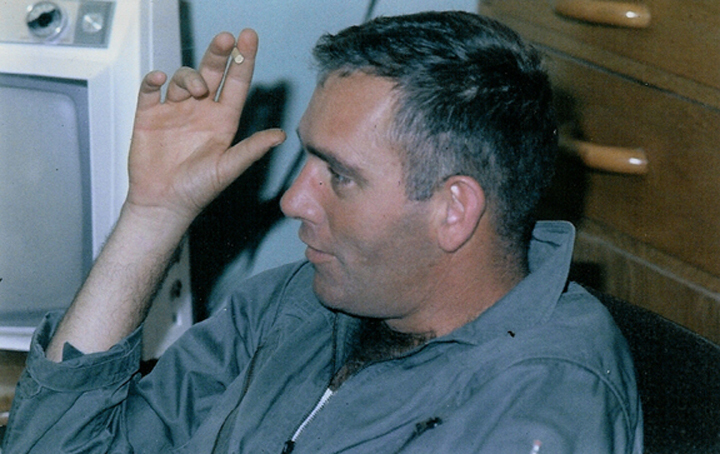
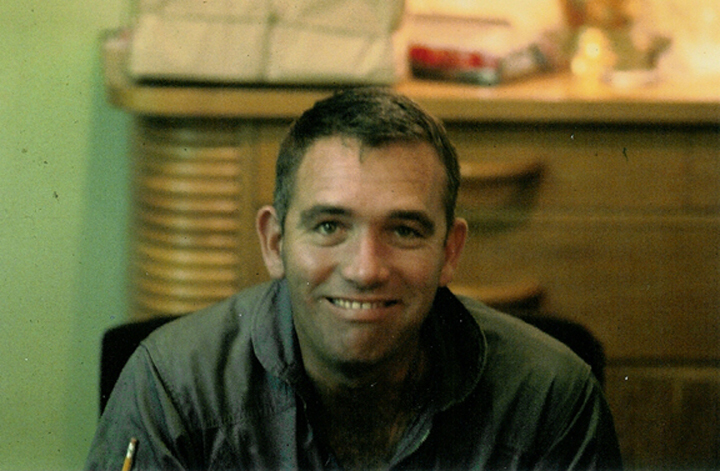
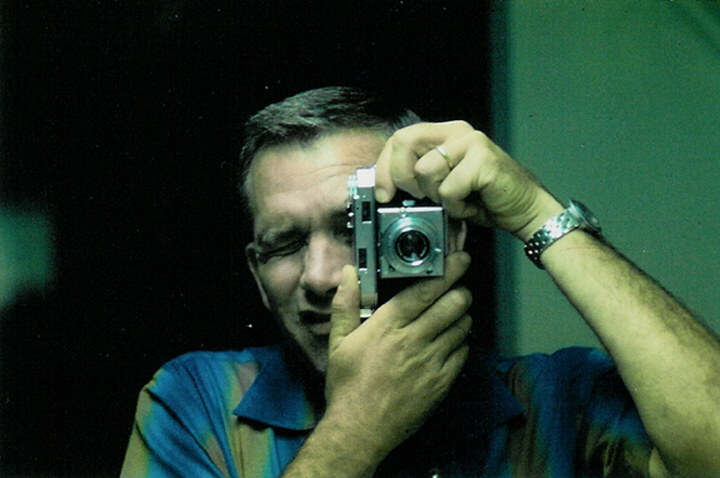
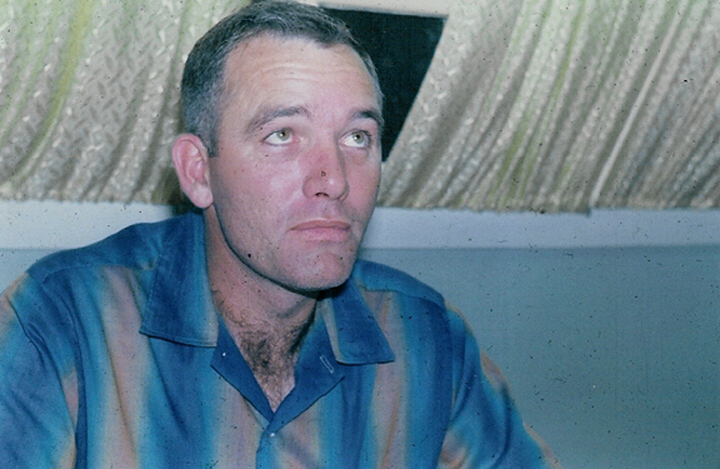
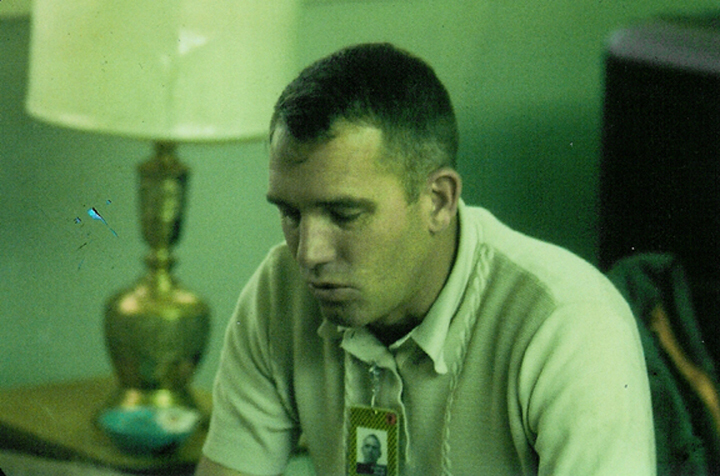
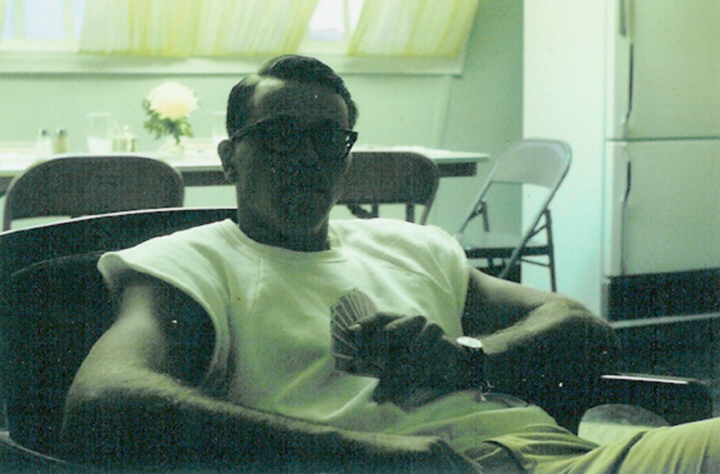
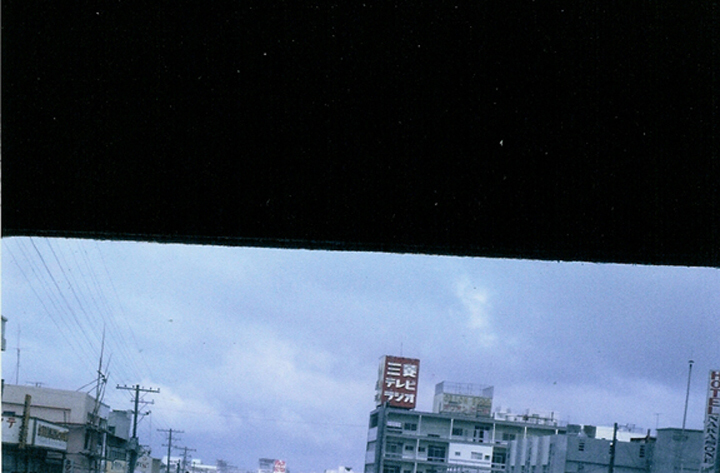
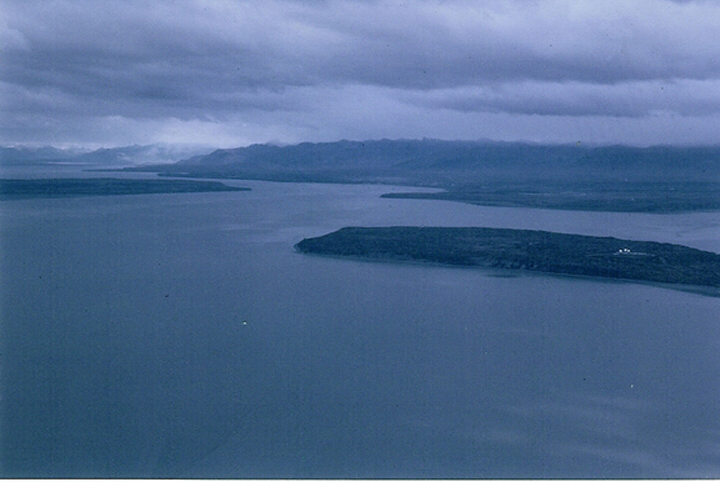
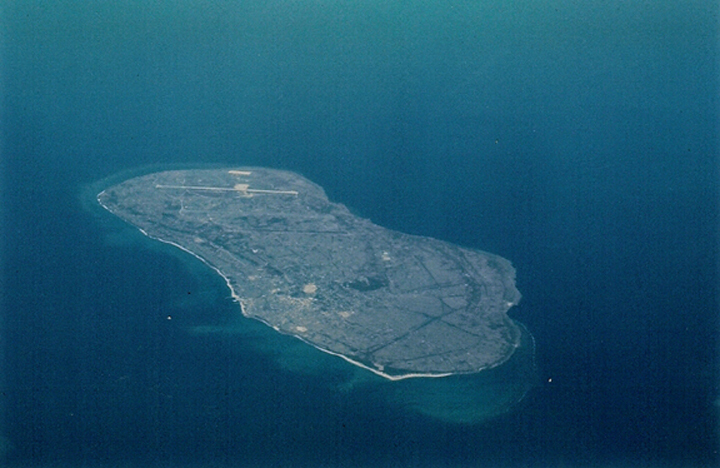
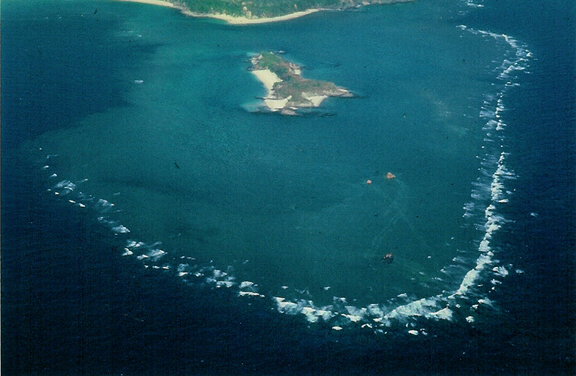
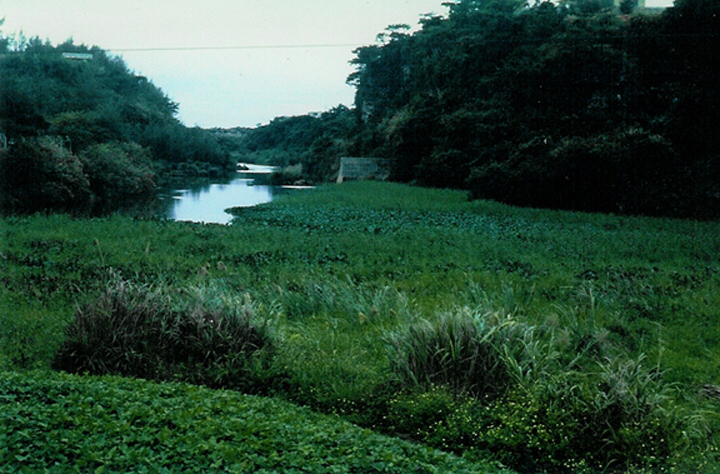
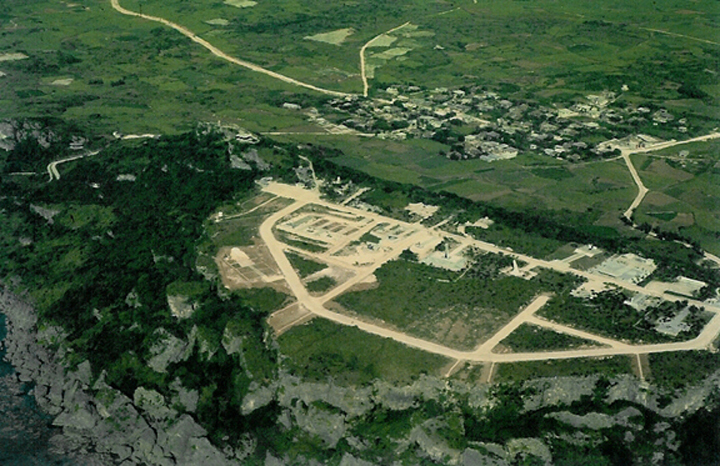
MEMORIES OF KADENA, OKINAWA
Click on images to enlarge
 |
 |
 |
 |
 |
 |
 |
 |
 |
 |
 |
 |
 |
 |
 |
 |
 |
 |
 |
 |
 |
 |
 |
 |
 |
 |
 |
 |
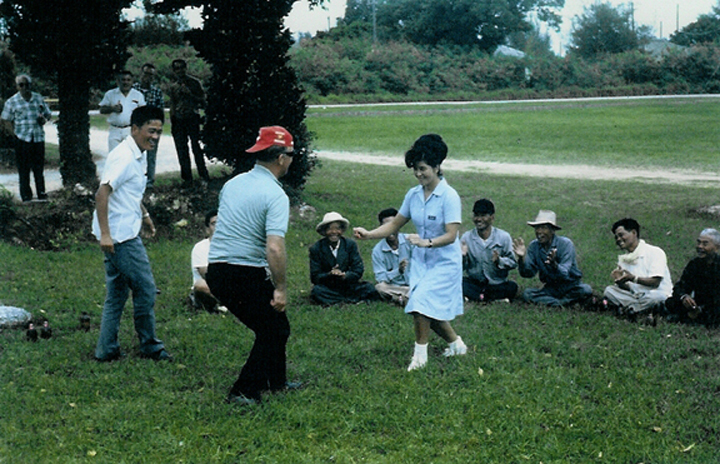 |
Stella at Area 51 in 1968 when Frank Murray awarded the CIA Intelligence Star for Valor |
Viewing tomorrow at the FitzHenry's Carson Valley Funeral Home 1380 U.S. Hwy 395 N in Gardnerville, Nevada from 4 to 6 on 12 May,2016.
Burial services are scheduled for Friday, 13 May 2016 at 1100 hours at the Eastside Memorial Park, 1600 Buckeye Rd, Minden, Nevada.
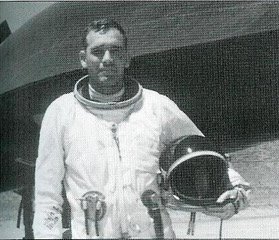 03/28/2023: Roadrunners Internationale regrets having to announce the final flight of Frank Murray.
Frank Murray, born on September 21st, 1930, was an Army brat of William and Agnes Murray. He grew up in San Diego, California, and graduated from St. Augustine High School in 1948. In August of the same year, he enlisted in the United States Air Force (USAF), following in the footsteps of his two older brothers. After attending A&E Mechanics School, he was advanced to the rank of corporal and was later promoted to sergeant. He was subsequently accepted into the Aviation Cadet Flying Training Program, which he completed in April 1952 at Columbus AFB, Mississippi, and Laredo AFB, Texas. He graduated with Class 53-C, became a second lieutenant, and transferred to Laughlin AFB and Luke AFB for Gunnery School in the T-33 and F-84B. Murray's first fighter plane assignment was the F-84G and F-86-F at Chaumont, France. Later, he was assigned to Bergstrom AFB, Texas, to fly the F-84F and F-101A/C. He then moved to Otis AFB, Mass, to fly the F-94C and F-101B. In 1963, the USAF selected Murray for the 1129th Special Activity Squadron at Groom Lake in Area 51, where he flew the F-101, T-33, and Cessna 180/210. However, the CIA later selected him as a Project Pilot flying the A-12, and he resigned his USAF commission to take on this new assignment. Known under the callsign "Dutch 20," Murray stayed with the OXCART Project until it shut down in 1968. During Project BLACK SHIELD, Murray flew the Mach 3 reconnaissance missions over Vietnam and one over North Korea during the seizure of the USS Pueblo, for which he earned the CIA's highest award, the Intelligence Star for Valor. He then rejoined the USAF and was assigned to Tyndall AFB, Florida, where he flew the F-101 and T-33 until volunteering for training in the A-1 Skyraider at the 56th Special Operations Wing, 1st Special Operations Squadron (Hobos) at Nakhon Phanom RTAFB, Thailand. Murray flew 67 combat missions in the A-1 before being reassigned to Tyndall AFB to continue flying the F-101. Throughout his flying career, Murray accumulated 6,000 hours of flying military aircraft and another 1,000 hours flying civilian planes.
After 29 years of combined service in the USAF and CIA, Murray retired as a Lieutenant Colonel. Murray served as president of Roadrunners Internationale and is enshrined in the Nevada Aerospace Hall of Fame. He was preceded in death by his spouse of over 62 years, Stella Jane, who passed away May 9th, 2016, and is survived by his spouse, Jolene in Gardnerville, Nevada, with whom he spent the last three years of his life. Frank is survived by Joe Murray, Diane Peart, Janice, and Johnny La Pointe, four grandchildren, and four great-grandchildren.
Services will be conducted on April 17th at 1 pm in Minden, Nevada, at the East Side Memorial Park cemetery.
 |
 |
 |